Team knowledge
Turn one person's best prompt into a skill the whole team can use
How to turn one person's best AI prompt into a shared team skill: capture the context, write the steps, add examples, test it and give it an owner.

Author
Co-founder of Shane and Opinly. Writes about how teams work with AI, and what gets lost between the tools.
How to turn one person's best AI prompt into a shared team skill: capture the context, write the steps, add examples, test it and give it an owner.
What leaders should know about the AI their teams use: which tools people use, what context goes in, and whether output follows company decisions.
AI chats start from zero because your team's context lives outside the tool. Here is what that costs, where AI memory falls short, and how to fix it.
The handover problem: when people change roles, the reasons behind their work leave too. Here is what gets lost, a checklist, and how to fix it.
Gartner found 88% of workers with enterprise AI also use personal AI tools. Here is why shadow AI happens, the real risks, and a six-step plan to fix it.
Meeting notes record what was said, not what was decided. How to turn AI transcripts and summaries into decisions your team and AI tools can find.
AI tool sprawl costs more than licenses. It splits your team's context, prompts and decisions across tools. Here is how to audit, cut and connect.
Agent memory, RAG and fine-tuning solve different problems. Here's what each one does, where it breaks, and which one your team actually needs.
A shared brain for your team holds the decisions, skills and context behind your work for people and AI tools. What it is and a four-week plan to start.
A practical guide to AI agent guardrails: least-privilege permissions, trusted sources and readable audit trails, with a checklist for new agents.
ChatGPT, Claude or Gemini for work? All three are capable. The bigger difference comes from the context you give them. Here is a test and what to do.
How to write AGENTS.md, CLAUDE.md or Cursor rules and task briefs so coding agents follow your team's decisions, plus what to enforce with hooks.
What ChatGPT, Claude and Gemini remember between chats, how to control it, and why personal AI memory does not help your team share context.
Why teams end up doing the same work twice, how AI chats and scattered tools make it worse, and six simple habits that stop duplicate work early.
A simple decision log format, what to log, and the habits that keep it current, so people and AI tools can find out why things are the way they are.
A team AI policy people follow fits on one page, sorts rules by data type, and makes the approved path easy. Here is a template and a one-week rollout.
How to use AI in onboarding: the context to prepare before day one, a sample first-week plan, and the problems to watch for with new hires and AI.
A step-by-step guide to context engineering for teams: what to give AI tools and agents, where to keep it, who owns it, and how to keep it current.
Four ways to give AI agents your company context without copy-pasting: chat projects, repo instruction files, MCP connections and a shared source.
A plain-English guide to MCP, the Model Context Protocol: what it is, how connectors work in Claude and ChatGPT, and what to check before connecting.
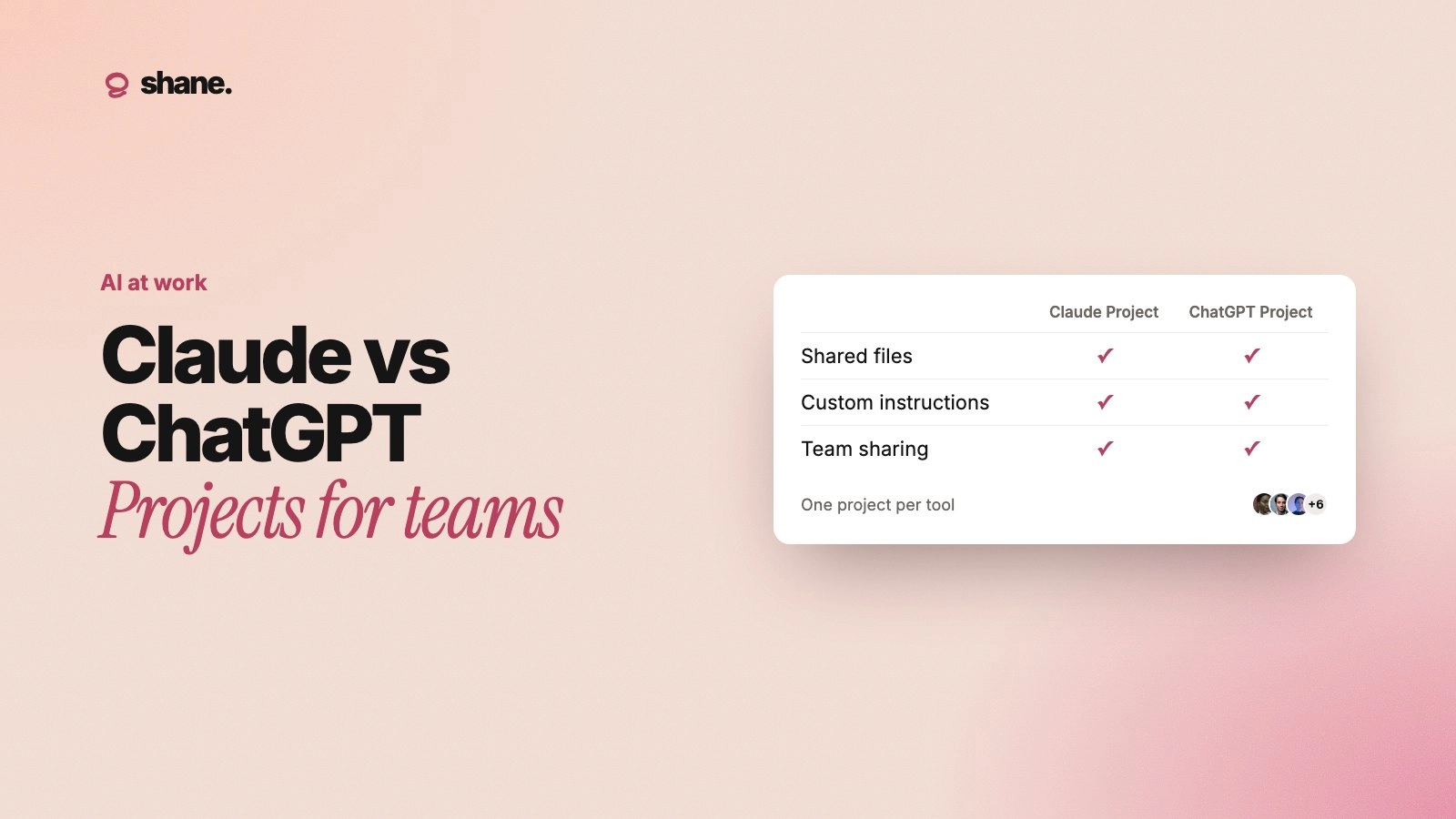
Shared ChatGPT projects let teammates see each other's chats. Shared Claude projects share files and instructions only. Here is how to pick for your team.
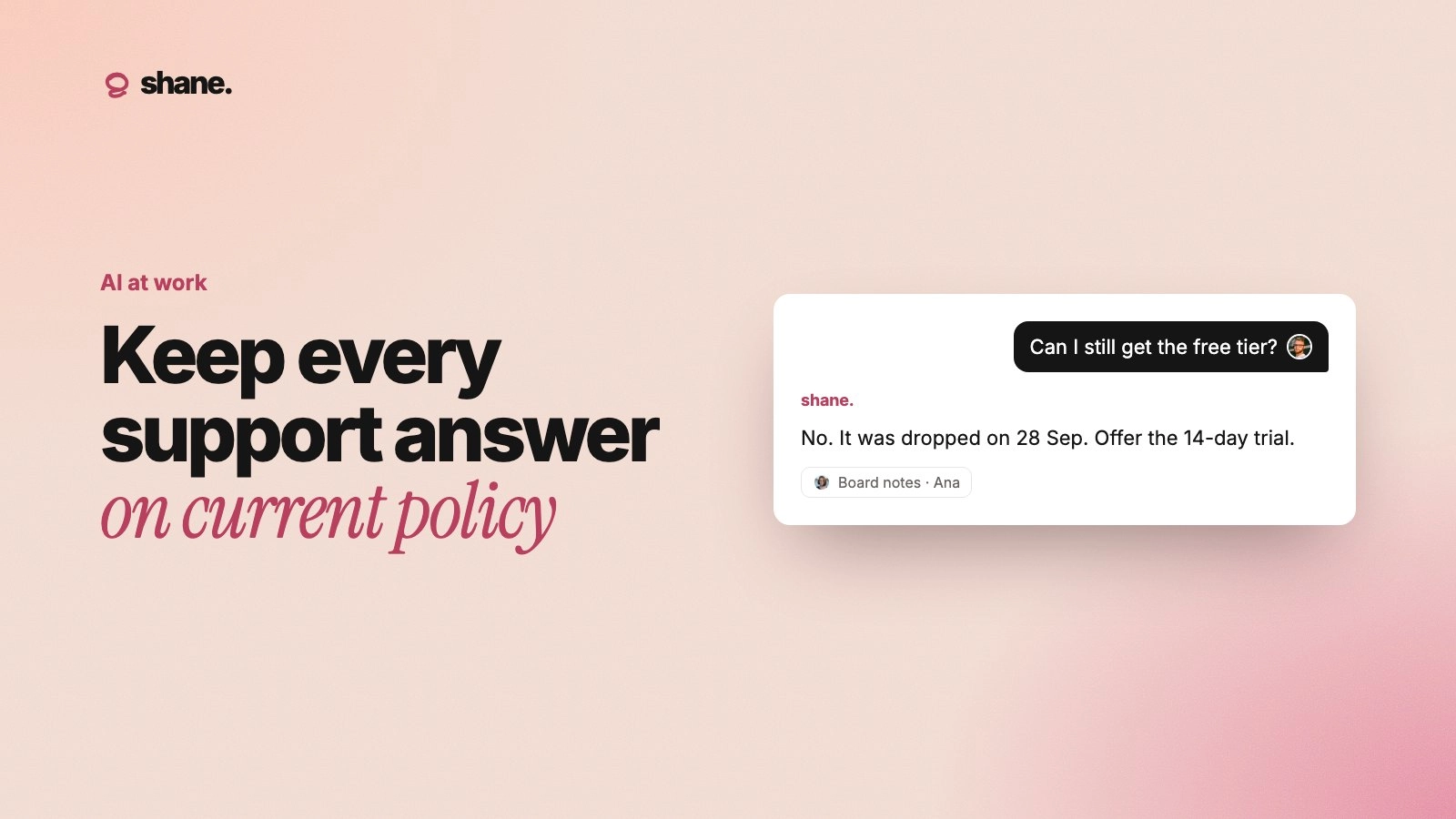
How support teams stop AI from quoting old policy: one source of record per policy, effective dates, a change checklist and clear rules for automation.
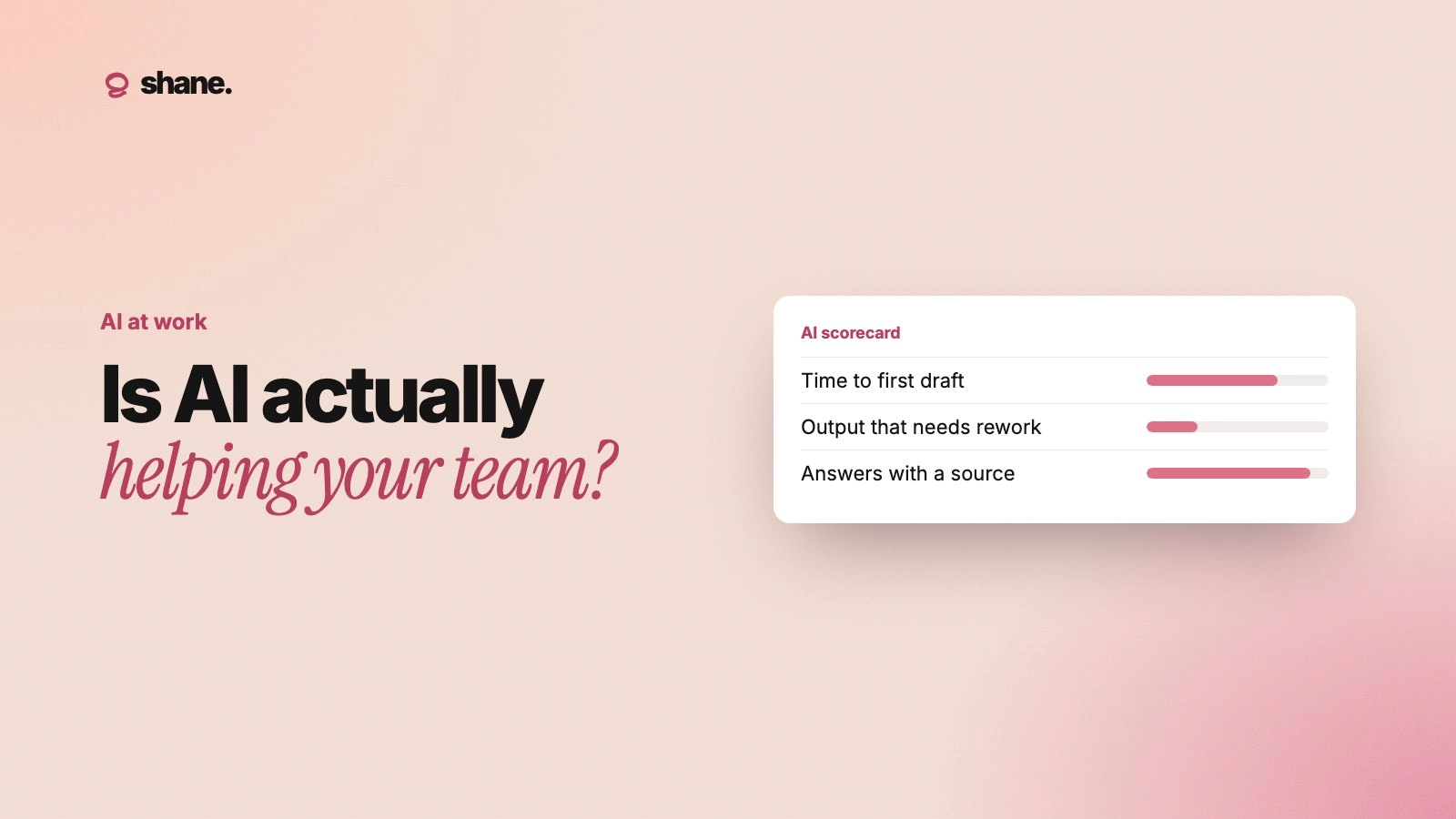
Measure AI at work with three numbers per workflow: time to a usable first draft, rework rate, and whether output follows your team's decisions.
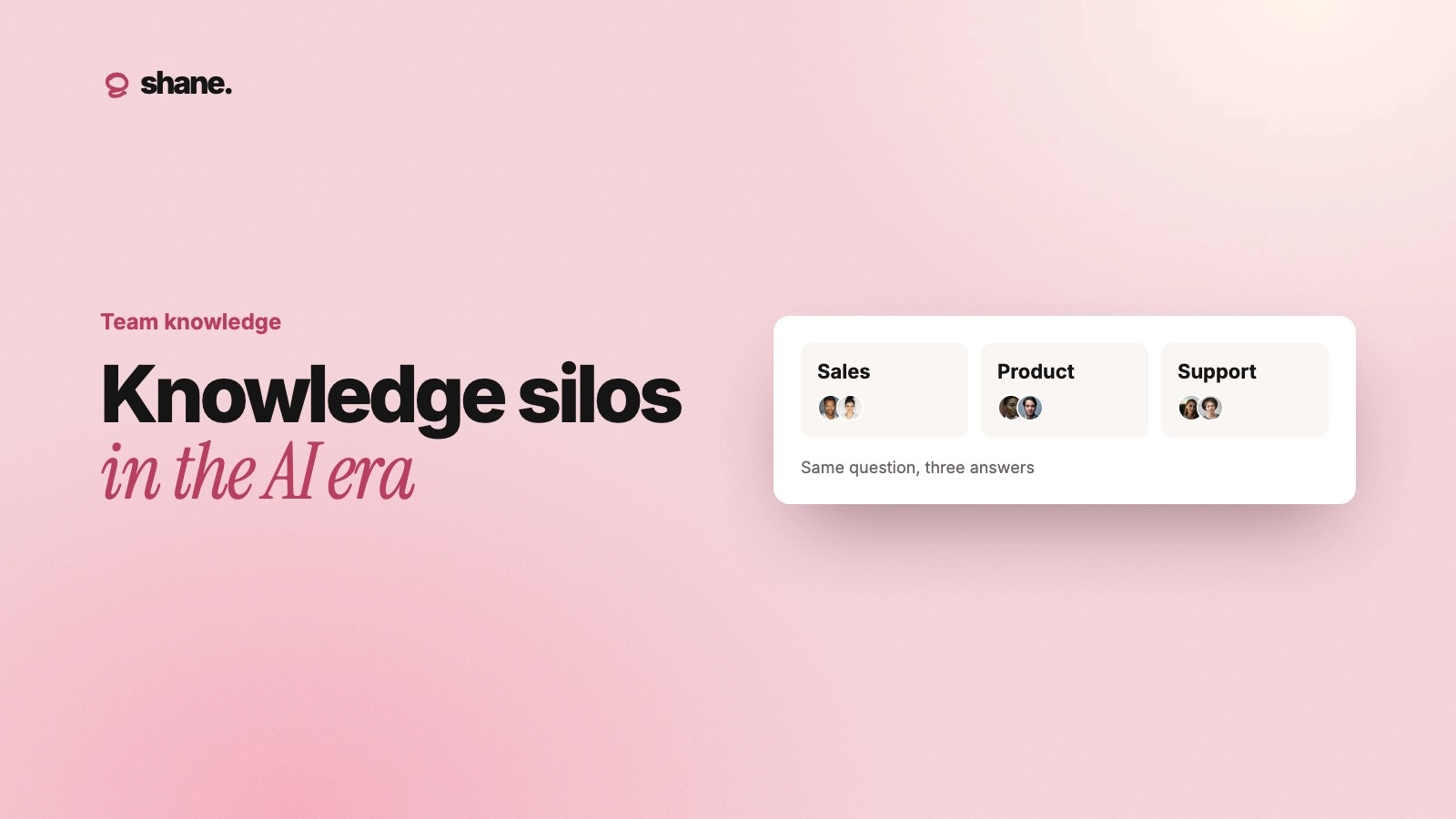
Knowledge silos now hide in private AI chats and per-tool memory. Learn the five silo types, a one-hour audit, and practical fixes for your team.
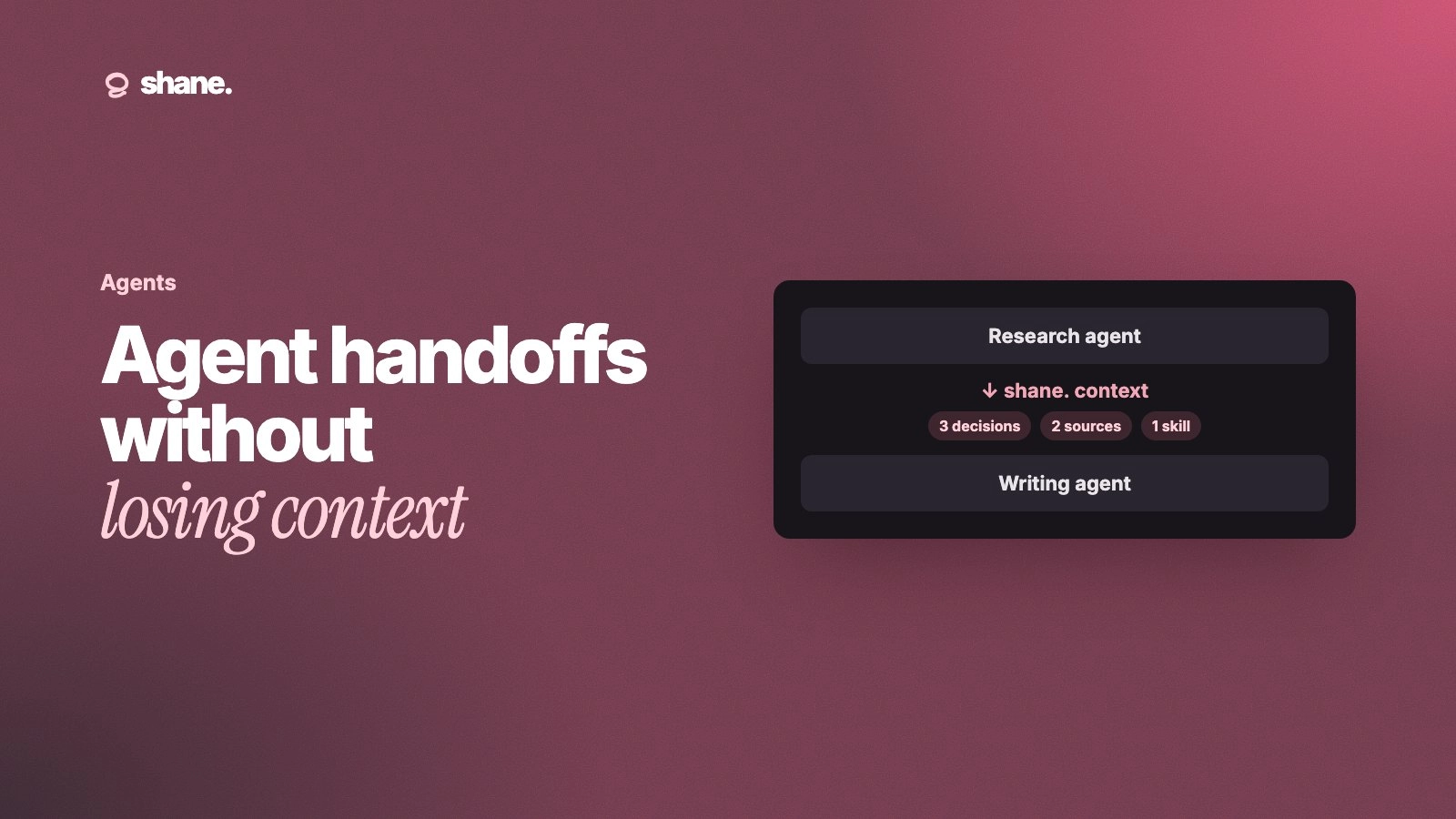
How to hand work from one AI agent to the next without losing the reasoning: a handoff template, a read-back check and a worked example you can copy.
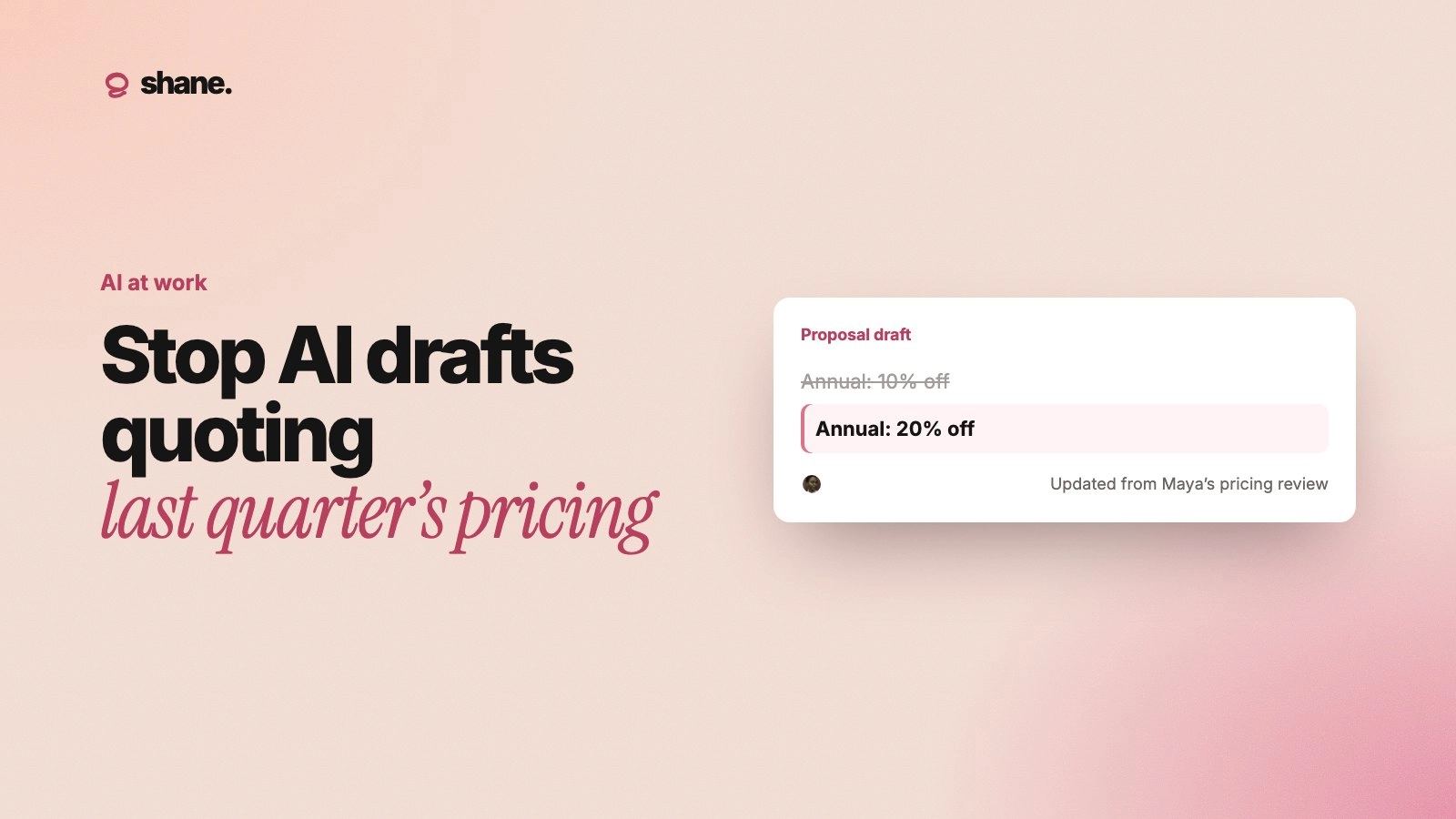
Why AI sales proposals pick up old prices, and how to fix it: one dated price book, number-free templates and a quick pre-send check on every figure.
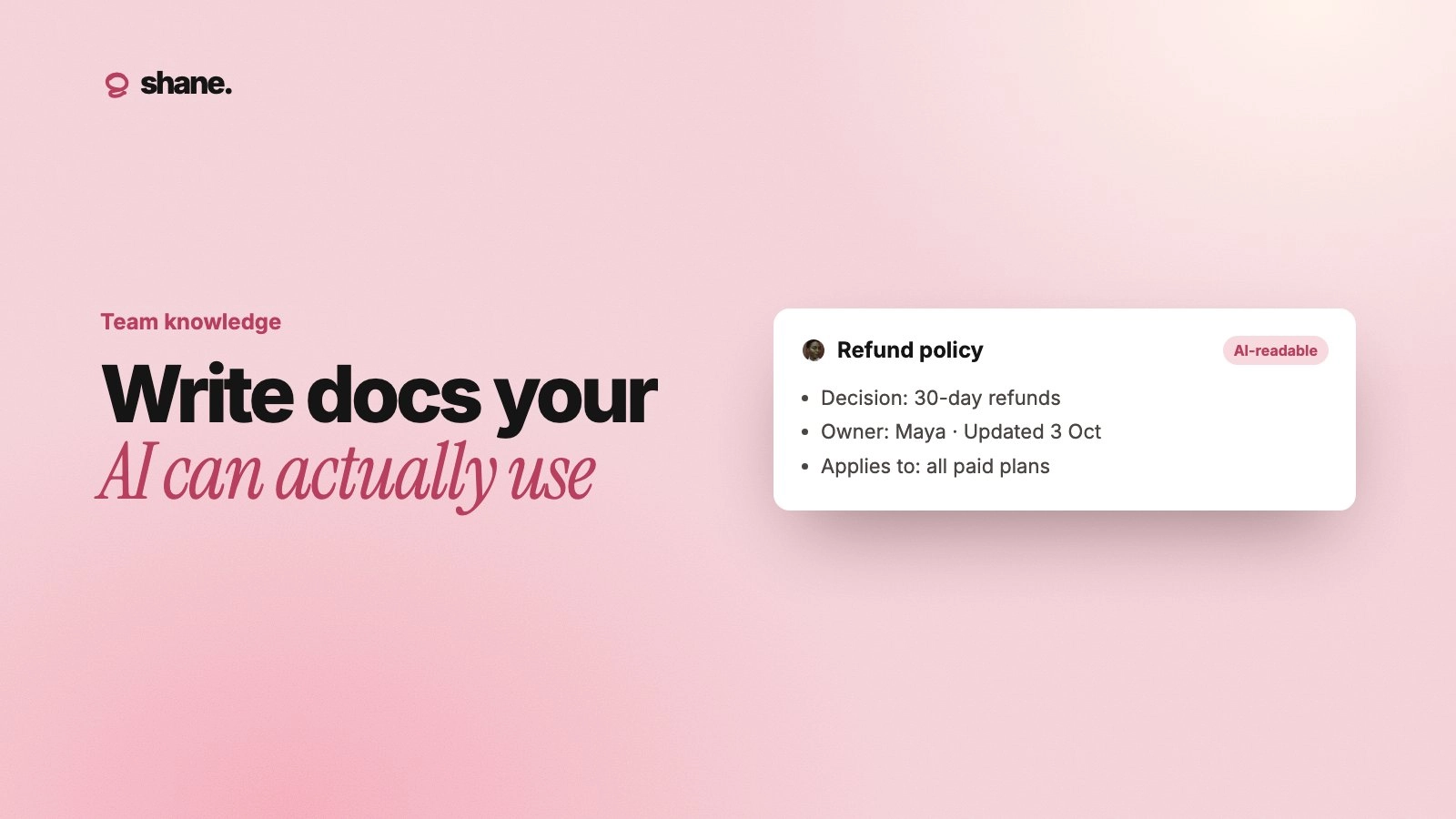
Most AI tools read your docs in short chunks, not whole pages. Seven rules, an example and a 30-minute audit to write docs that ChatGPT and Claude can use.
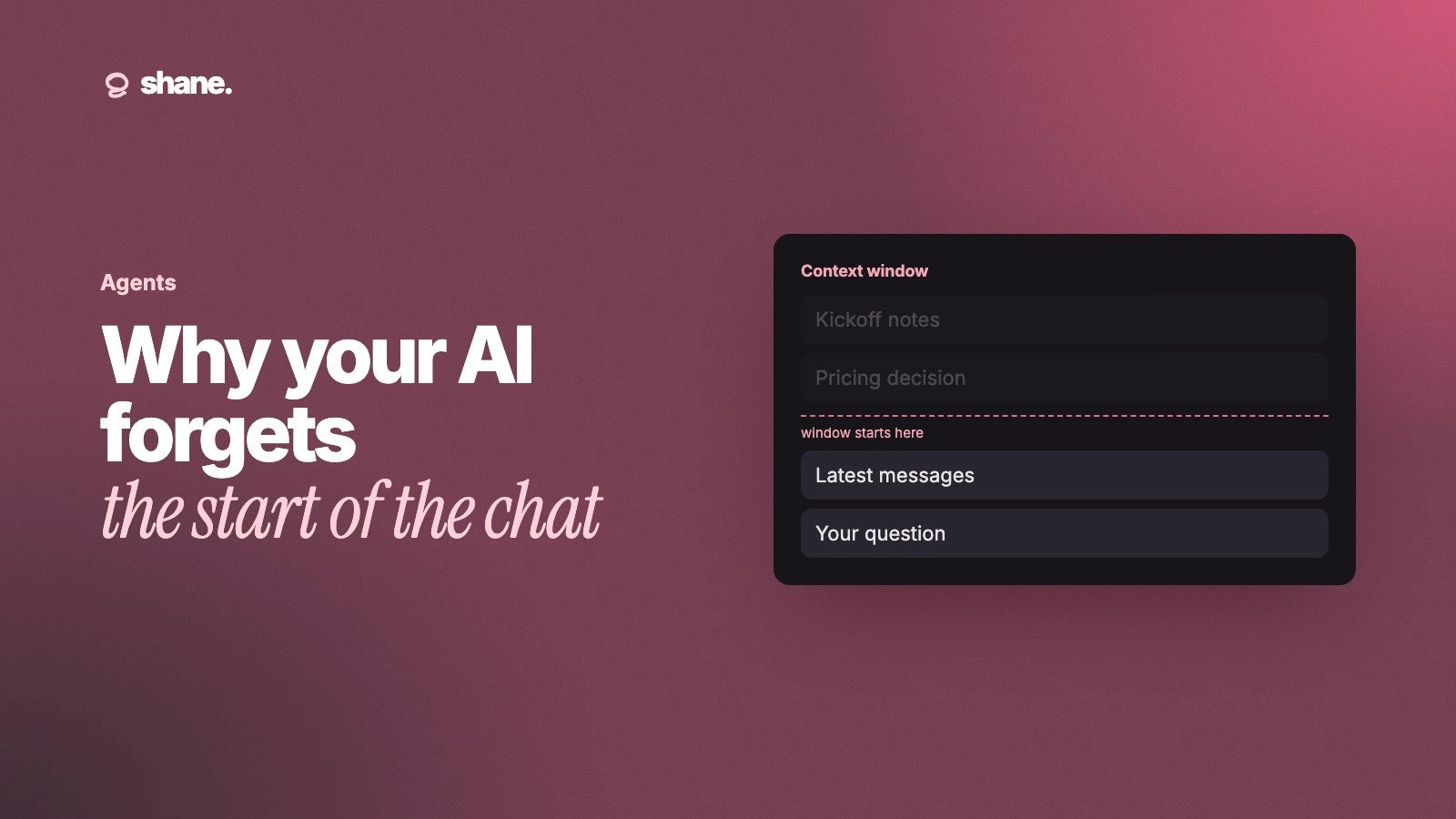
A context window is what an AI model can see as it replies. Why long chats lose their start, what context rot is, and habits that keep key details in view.
A simple async decision process for remote teams: one owner, a one-page proposal, a comment deadline and a recorded outcome, plus where AI helps and where it doesn't.
What a single source of truth means when your team uses AI: what goes in it, the three rules that keep it current, and how to set one up in a week.
Keep AI answers grounded in current information with review dates, named owners and clear rules for expired company knowledge.
Define how an AI assistant handles conflicting company documents, including authority, scope, effective dates and escalation.
A practical project kickoff brief covering the outcome, constraints, decisions and evidence that teammates and AI assistants need.
Build a small set of real questions to check whether your AI knowledge base retrieves current, relevant and permitted sources.
Assign clear responsibility for maintaining shared company knowledge, including review, corrections and ownership changes.
Turn vague brand adjectives into useful writing guidance with approved examples, audience context and a simple review checklist.
Create a useful path from customer support conversations to product decisions while preserving scope, evidence and uncertainty.
A practical handoff for customer teams that records promised outcomes, contractual scope, open questions and the evidence behind each commitment.
Organise AI work across multiple clients with clear access boundaries, separate source collections and checks before external delivery.
Turn incident reviews into searchable operational knowledge with clear symptoms, tested actions, decision reasons and follow-up ownership.
A simple way to select relevant context for an AI task without sending every document your team owns.
Track requirement changes so teammates and AI assistants can distinguish current scope, superseded decisions and unresolved proposals.
Define ambiguous company terms so AI assistants and teammates interpret metrics, customer stages and product language consistently.
Make human review effective with clear approval triggers, decision-ready evidence and rules for changes after approval.
Check that citations in AI answers support the exact claim, apply to the current situation and are accessible to the intended reader.
Include AI connectors, shared projects and stored context in employee offboarding, using an explicit access inventory and verification.
Use AI to prepare weekly plans from current priorities, capacity and dependencies while keeping proposed work separate from commitments.
Organise customer research so teams and AI assistants can find evidence without confusing a participant quote with a general conclusion.
Prepare useful holiday coverage with current work, decision boundaries, key contacts and clear rules for what should wait.
Keep outdated documents out of current AI answers while preserving the historical context needed to understand earlier decisions.